7
Age 7
Grade 2 · the numbers to 1000 · a new lesson every morning
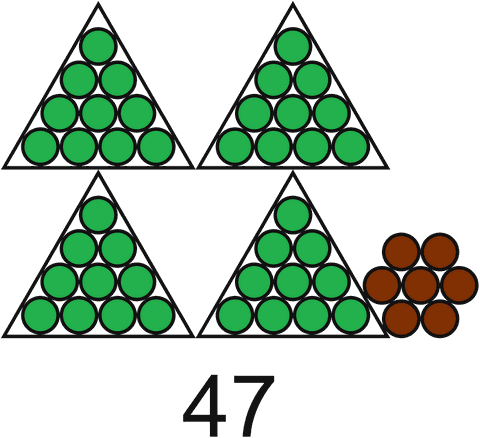
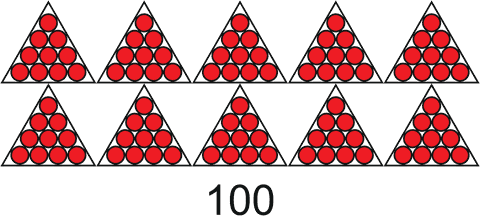
At seven, the numbers get big, and the places do the work. 47 is four ten-triangles and seven loose dots; a hundred is ten of those triangles. Add the ones to the ones and the tens to the tens, and when ten ones pile up they close into one more ten. Every lesson shows it first, then asks it both ways: add and take away on the same picture.
The year, in order
steps 49 – 58Start at the top. Each one picks up where the last one stopped.
Also at seven
the rest of grade 2Money, time, length and story problems, all in dots.
 MoneyCoins
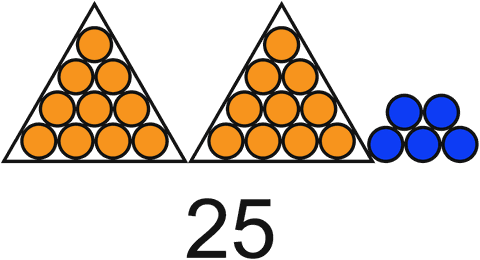
A dime is a whole ten, a quarter two tens and a five. Count it, pay it, get change.
 TimeThe clocks
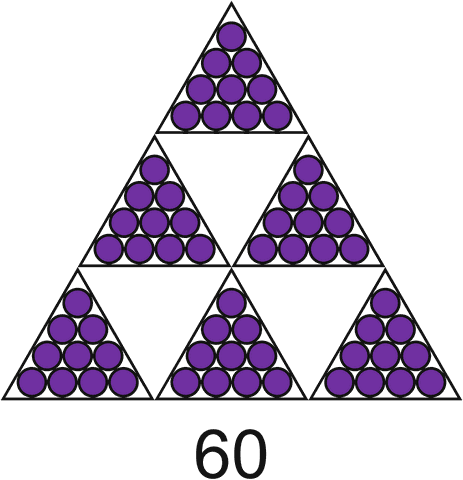
An hour is six tens of minutes. Read the time to five minutes, both ways.
 LengthMeasure It
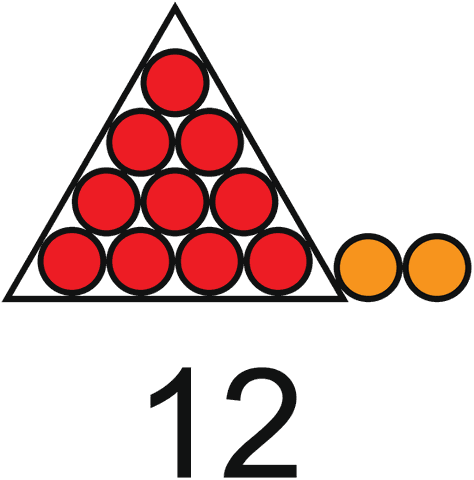
Touching dots are a ruler. Measure, compare, and find how much longer.
 StoriesStory Problems
Read the story, pick the number sentence that tells it, then solve it.
✨ New every day
one new lesson each morningA new Age 7 lesson every morning, newest at the bottom.
The first one arrives tomorrow morning.
The Zero Holds the Place706 is seven hundreds, no tens and six ones: the zero holds the empty tens place, so the 7 stays a hundred. Seen next to 76 and 760 at one scale; then build a number with a zero in it and read the picture of its cousin, both ways. The slips named: leaving the zero out, the zero in the wrong place, the digits swapped, one zero too many. Nov 7
Say It, Build ItFour hundred thirty-five is 400 + 30 + 5 is 435: one picture of hundreds, tens and ones, three ways to write it. Hear only the name and build it, pick the expanded form for a picture, turn an expanded form into the number and into its name. The slips named: tens and ones swapped, the wrong digit in the hundreds, 4 + 3 + 5 (only 12), the parts written side by side (400305), reading the digits instead of the places. Nov 7
Biggest Place WinsTo compare 289 and 312, look at the hundreds first: three hundreds beat two, even though 289 has more tens and more ones. Same hundreds? Then the tens decide, then the ones. Tap the bigger, then the smaller of the same pair, then put >, = or < between them. The slips named: comparing the tens or ones first, the sign read backwards, = for numbers that differ. Nov 8
Ten More, a Hundred MoreAdd 10 to 340 and one more ten-triangle joins: 350, only the tens digit moves. Add 100 and one more hundred-block joins: 440. Take them away again, there and back on one number. At the edge, 390 + 10 makes ten tens, which close into one more hundred: 400; 400 − 10 opens a hundred first. The slips named: the other step, one instead of ten, the wrong way, 3100, and the hundred that vanished or was still counted. Nov 10
Gather the TensAdd 23 + 15 + 31 + 12 by place, not one by one: gather all the ten-triangles first (7 tens), then all the loose ones (11), and ten of them close into one more ten: 81. Then the other way: the total and three of the numbers, find the missing one. The slips named: 70 for 7 tens, the ones after closing for all of them, the new ten forgotten (71), 7 and 11 side by side (711), and the whole or the other three for the missing number. Nov 9
Rows of the SameA rectangle of dots, three rows of four. Add the rows: 4 + 4 + 4 = 12. Add the columns: 3 + 3 + 3 + 3 = 12 — the same dots counted the other way, and they change color with the way they are counted. Read the sums from a rectangle, then pick the rectangle from its sum, up to 5 by 5. The slips named: the columns' sum for the rows', one row too many or too few, and 4 + 3 (one row and one column, not every dot). Nov 10
Two StepsTwo-step stories within 100: 34 kids are on the bus, 12 get off, then 9 get on. Do the first step on the tens-and-ones picture (22), then the second on the same picture (31) — stop after one step and the story isn't over. Then the other way: now there are 31, so work back, undoing the last step first. The slips named: only the first step, skipping the first step, a step the wrong way, and going back by running the story forward. Nov 11
Hop by HundredsCount within 1000 by fives, tens and hundreds, starting anywhere, up and back: 230, 240, 250 … each hop one more ten-triangle, hundred-block or five. At 290 + 10, ten tens close into one more hundred: 300, not 2100. Each round counts up and then down over the same numbers. The slips named: a hop of the wrong size, one instead of a hop, the wrong way, 2100, 200, and 390 for 300 − 10. Nov 12
Odd or Even?Pair up the dots, two by two: every dot with a partner means even, and an even number is a double (14 = 7 + 7); one dot left alone means odd. Odd or even on a picture, then a double built (6 + 6) and taken back apart (12 = ? + ?), to 20. The slips named: judging by the tens digit (14 has a 1 but is even — the 1 is a ten, five pairs), 66 for 6 + 6, and the ones digit for the half. Nov 13
Open It Twice503 − 7: there are no ones to spare and no tens to open, so a hundred opens into ten tens first, then a ten opens into ten ones: 13 ones, take 7, 496. Then 496 + 7 closes them again: ten ones into a ten, ten tens into a hundred, 503. There and back on the same numbers, one- and two-digit. The slips named: 504 (small from big in each place), 596 (the opened hundred still counted), 406 (the tens lost), and adding back 493 (forgot to close), 4103, 403, 4913. Nov 14
How Many Tens in 340?340 is not just 4 tens: each hundred opens into ten tens, so 340 is 34 tens. Open the hundreds and count every ten-triangle, then the other way: 27 tens close into 2 hundreds and 7 tens, 270. There and back on one number; 347 is still 34 tens. The slips named: the tens digit alone (4), the digits added, 34 for 340, 3400 (every ten made a hundred), 304. Nov 15
About How Long?Guess first, then check: lay a ten-stick of dots beside a pencil — it fits about twice, so about 20 dots — then measure it dot by dot, each ten in its own color: 23. Then the other way: pick the thing that is about 30 dots long. The slips named: a guess too long or too short (count the ten-sticks), just one stick, and measuring a dot missed or counted twice, the guess given for the count, a ten off. Nov 22
Age 8 · next
Multiplying is a rectangle, and dividing is the same rectangle cut up.
Start age 8 →
For grown-ups: every grade 2 standard and the page that teaches it · everything new on the site · printable workbooks